
How to choose a conference swag supplier
Compare conference swag suppliers on three things: price, service and ideas. For an event abroad, service matters most: who controls production, who gets the boxes to your team, and what happens if something goes wrong. Below is what to check and what to ask before you send a brief.
Price, service, ideas
Most companies compare swag suppliers on three things. Price is easy to compare. Ideas are easy to see in a deck. Service is the hardest to judge from outside, and for a conference it decides whether your merch is at the booth on day one.
Service now means more than finding products. Companies increasingly ask their supplier to put together the selection, produce it and control delivery all the way to the event: the last mile.
Do you have an idea, or do you need one?
Briefs come in two kinds. Some teams arrive with an idea, like a branded LEGO set or racing cars in company colours, and need it made. Others ask how to stand out at the booth. Tell your supplier which one you are: the first needs production and approvals, the second needs a concept first.
One supplier for the whole event
A local print shop is good for a hundred business cards by tomorrow. A conference usually needs more: merch for clients and VIP partners, team uniforms, booth giveaways, gifts for business development meetings, flyers.
For one client at SiGMA in Rome, five boxes of different merch came from different EU countries and were waiting for the team at their hotel. One brief and one account manager instead of five suppliers.
Simple printing is the exception: flyers and cards are usually cheaper to print on site, because shipping paper by weight costs more than printing it.
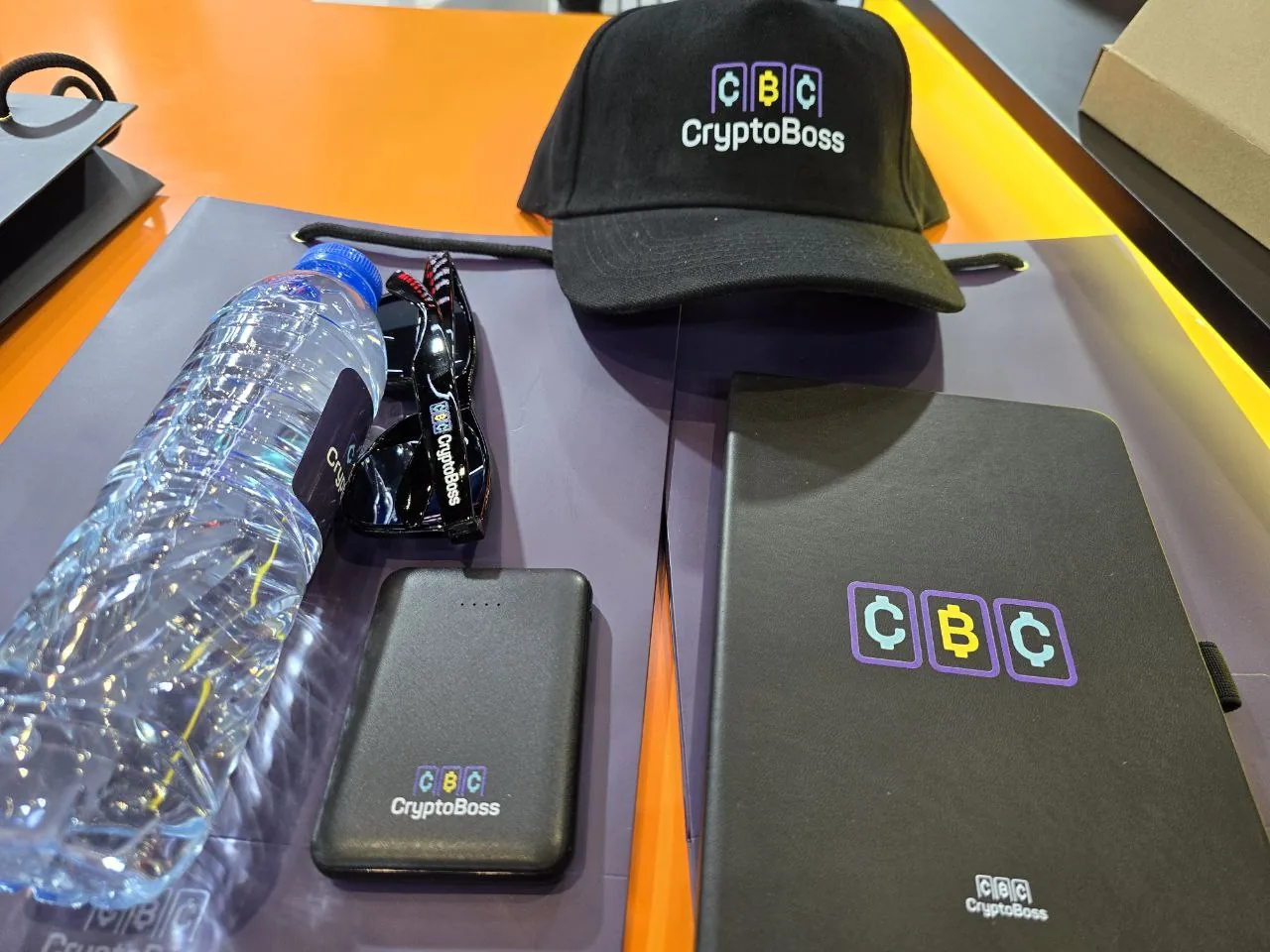 Separate project · UAE
ComboTech — SiGMA, UAE
Local teams, local payment
Ask how the supplier works in the country of your event. At Swaggy, each region works like a small agency: a local account manager who speaks the language and knows the market, production and a supplier network in the region, and a local company to pay. Money doesn't have to cross borders, production is faster, and there are fewer customs risks.
What happens if something goes wrong
At an event there's no second try: one shot, a tight deadline and often no time for samples. Ask what the supplier does if items arrive damaged or wrong. We use three options, in this order:
- Remake the faulty items, if there is time.
- Deposit: the amount stays with us and goes into your next order, for example merch for the next event or for the office.
- Refund for the faulty quantity, as a last resort.
Two real cases. For an office in Cyprus, the client approved three samples, and four or five faulty pieces turned up in the batch: we credited them as a deposit and shipped other products against it. In Vienna, the transport company broke phone cases on the way: we recorded the damage together with the client and used the deposit for a shipment to another country.
The last mile
Couriers behave differently in every country. Some only ring the intercom and never call a mobile. Some sign for the recipient. Large carriers may mark a parcel delivered and leave it at a shop next to the hotel. No carrier guarantees delivery at an exact hour: they work in time windows.
What works:
- Deliver to the hotel, to a named person from your team. The venue route goes through the organiser, often costs extra and boxes get lost during stand build-up.
- Ask your hotel to confirm it will accept the parcels.
- Track it together. Check the tracking, call the hotel, or give your supplier the reception's contacts and permission to talk to them.
Teams that say "we pay, you sort it out" are the ones whose merch arrives on the last day, doesn't arrive, or costs three to five times more to deliver.
Delivery to Barcelona in detail →
Customs: why carrying it yourself is a risk
One client decided to bring electronics and branded mugs in their own luggage. Customs held both: the mugs fell under a new inspection rule. They went to the customs office, paid fees, and still didn't get the products. For the next event they ordered from us.
Rules differ by country. In Dubai, for example, branded food containers can't be handed out at a side event. A supplier who produces inside the event's country or customs zone avoids most of this.
When a good supplier says no
Sometimes the honest answer is no. In a new market, local manufacturers may need two months. If a team comes seven or eight working days before the conference, we decline rather than promise and fail. The same goes for jobs like collecting old textiles, removing a logo, re-branding and shipping to several shows in different regions.
A supplier who explains what is and isn't possible in your timeline is worth more than one who says yes to everything.
One rule for the client
Plan at least four to six weeks ahead and stay in touch. Your supplier will ask where, why, how many and which logo. There are no unnecessary questions.
Checklist: what to ask a swag supplier
- Where will the merch be produced, inside the event's country or customs zone?
- Who controls delivery to the event, and where will it be delivered?
- Who is my contact in the event's country?
- Can I pay locally, or does money cross borders?
- What do you do if items arrive damaged or wrong?
- How will I approve the product: mockup, photo, video or physical sample?
- What is your minimum order, and does it include shipping?
- What do you need from me, and by when?
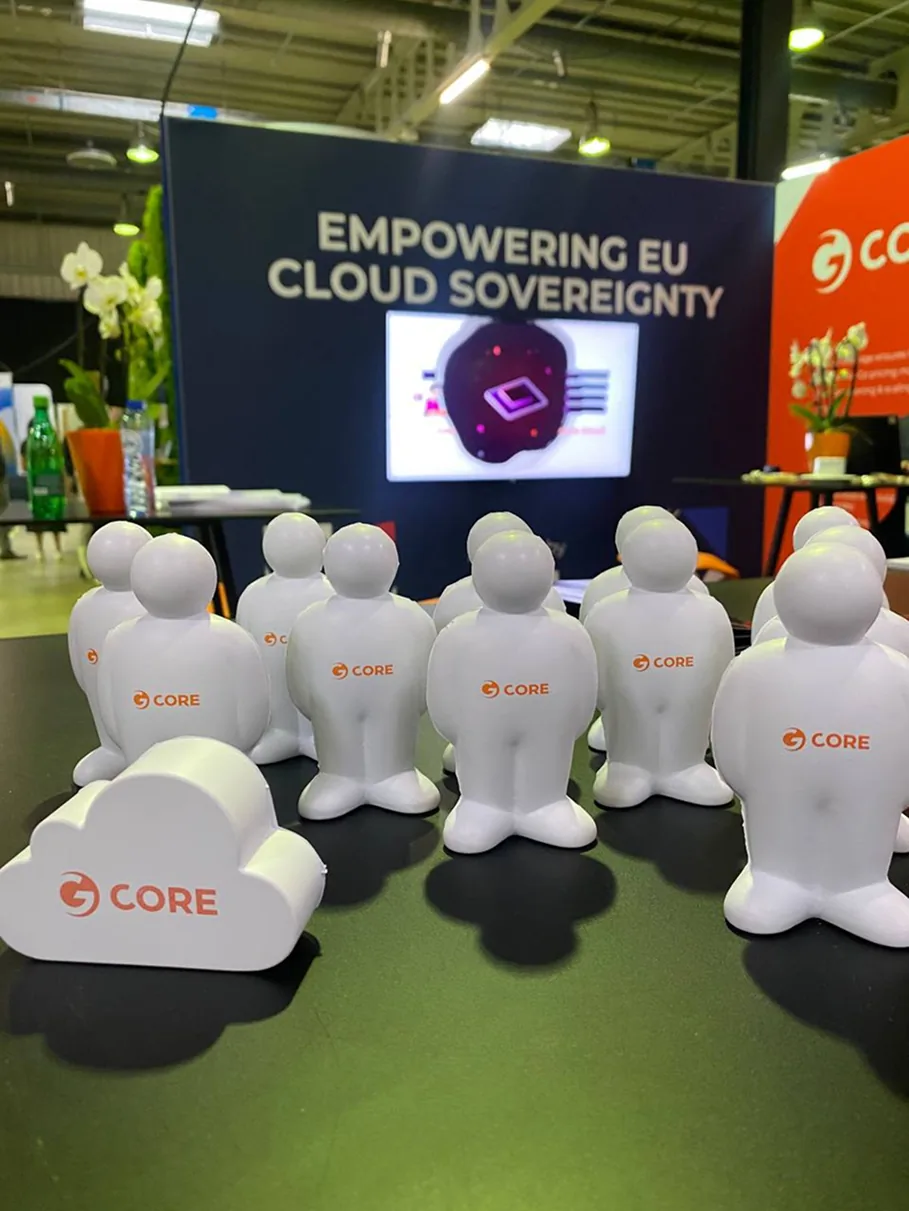 Tech · Europe
 Fintech · Worldwide
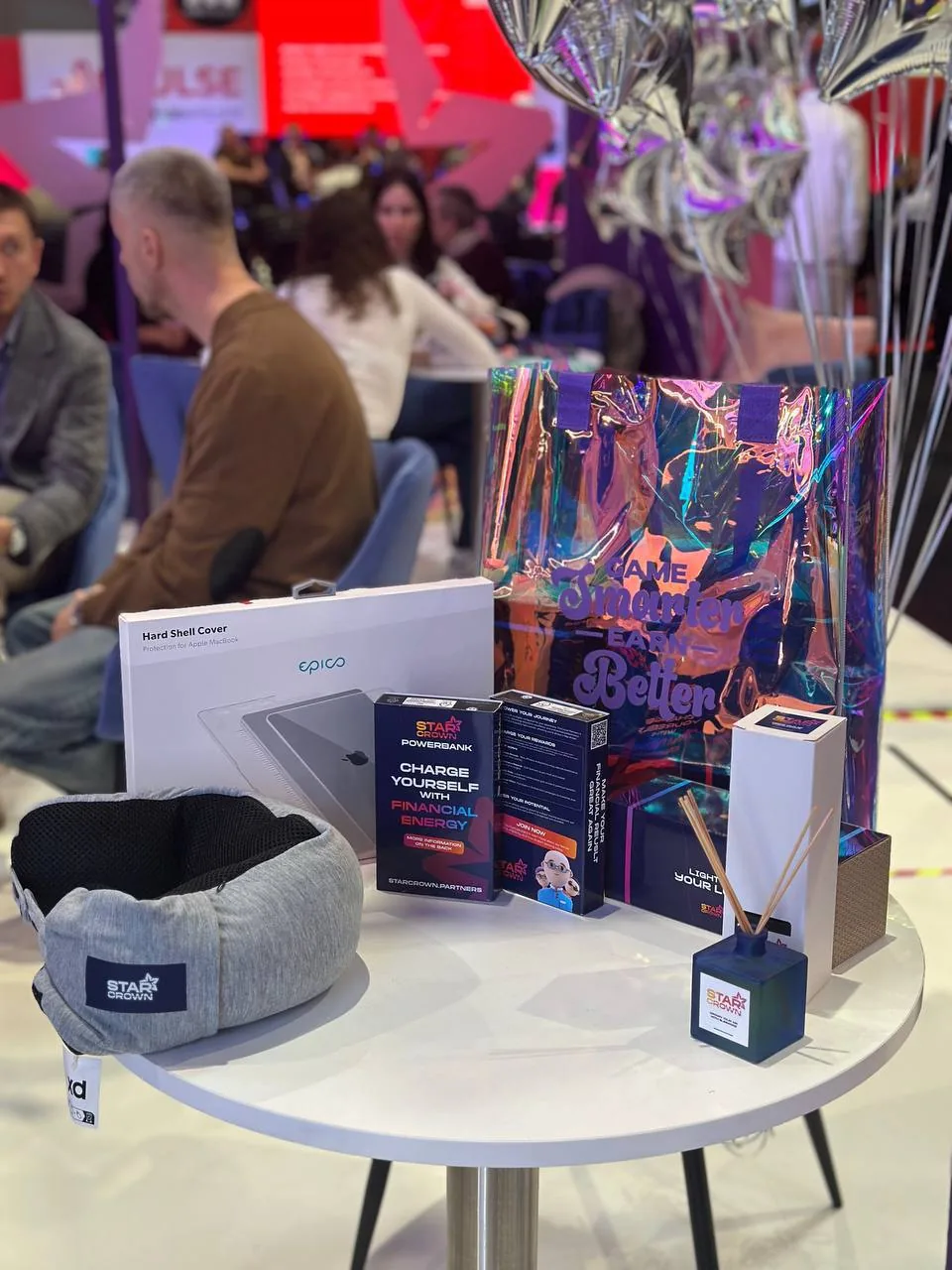 iGB · Barcelona
 Telegram
 Instagram
 LinkedIn